
Sweet Ideas and Baking Tips
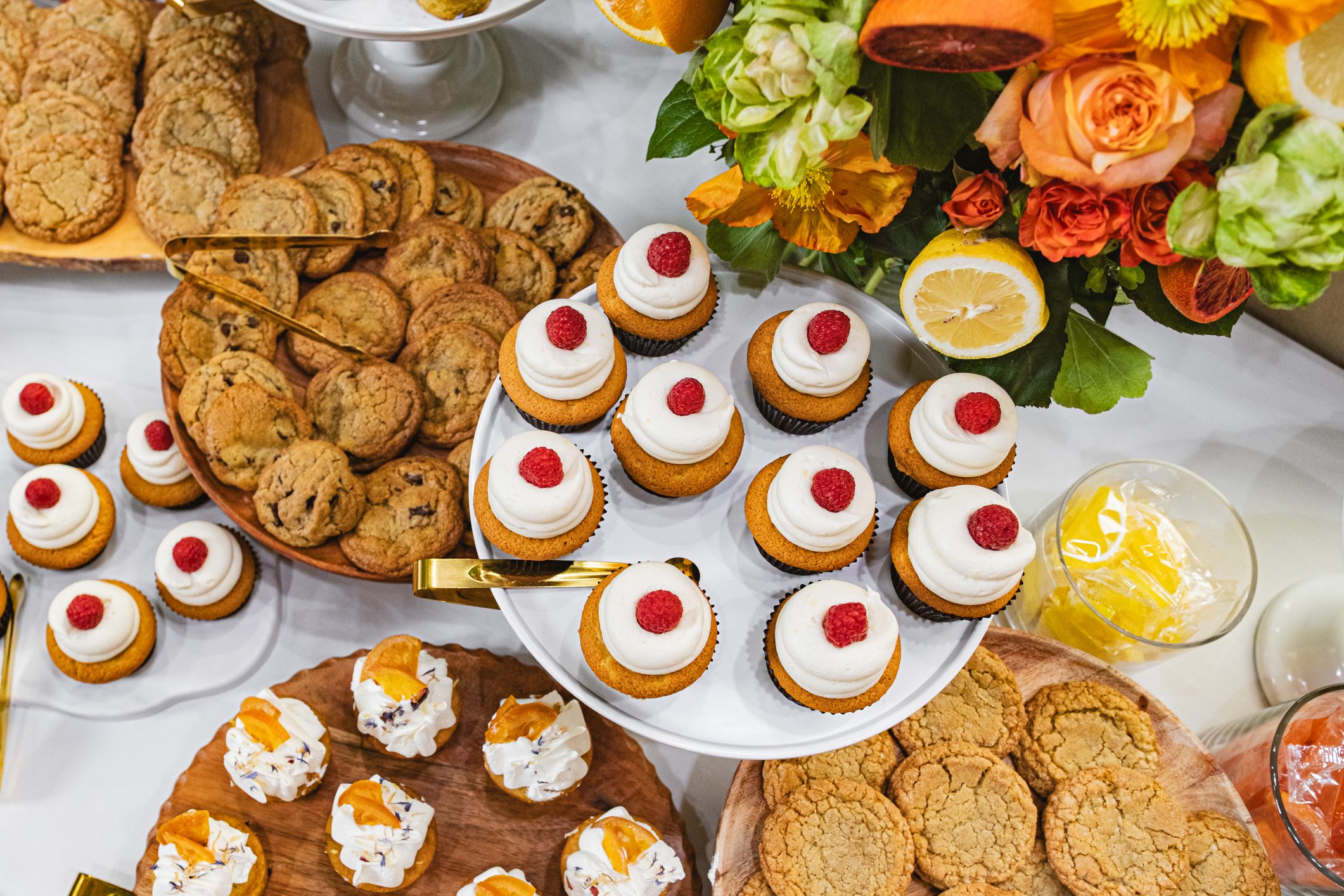
Baking is more than following recipes—it’s an opportunity to bring creativity, care, and intention into everyday life. The famous quote, “Life is what you bake it,” reminds us that just as we carefully mix, knead, and bake ingredients, we also shape our daily routines and experiences. By approaching baking thoughtfully, every kitchen session becomes both productive and fulfilling.
Start with Planning
Just like life, baking works best with a plan. Choosing recipes in advance, checking ingredients, and preparing tools ensures that your baking runs smoothly. Even small steps—like measuring flour accurately or preheating the oven—lay the foundation for success. Planning prevents stress and makes each session more enjoyable.
Use Quality Ingredients
Every baker knows that fresh, high-quality ingredients make all the difference. Flour, butter, eggs, and sugar are the building blocks of every recipe. Using the best available ingredients ensures flavor, texture, and aroma shine in your final product. As M.F.K. Fisher said, “The smell of good bread baking, like the sound of lightly flowing water, is indescribable in its evocation of innocence and delight.”
Balance Science and Creativity
Baking is a combination of precise measurements and personal touches. Anna Olson captured this perfectly: “Baking may be regarded as a science, but it’s the chemistry between ingredients and the cook that gives desserts life.” Measuring ingredients accurately is essential, but adding your own flavor variations or decorating creatively brings personality to every creation.
Keep a Routine, But Be Flexible
Daily baking thrives on consistency. Preheating the oven, following the steps, and keeping ingredients ready ensures reliable results. At the same time, flexibility allows experimentation—swapping flavors, trying new fillings, or testing different textures. Just like life, the best baking comes from balancing structure with spontaneity.
Small Batches, Big Results
Not every session needs to produce an elaborate dessert. Small batches are easier to manage, maintain freshness, and allow room for experimentation. “A balanced diet is a cookie in each hand,” reminds us that even simple, small-scale baking brings joy, both for the baker and those who enjoy the treats.
Document and Reflect
Keep notes on what works and what doesn’t. Tracking ingredients, oven temperatures, timing, and flavor variations helps refine your skills. A baking journal ensures each attempt builds on the last, turning mistakes into lessons and successes into repeatable results.
Celebrate the Process
Baking is as much about the journey as the finished product. The smell of freshly baked bread, the warmth of the oven, and the satisfaction of seeing a recipe turn out perfectly are all part of the reward. “Happiness is homemade,” and in baking, every day offers a chance to experience that happiness.
Conclusion
“Life is what you bake it.” Every loaf, cookie, or cake represents more than ingredients—it embodies patience, creativity, and care. By planning, using quality ingredients, balancing precision and intuition, and embracing the process, bakers can transform everyday kitchen sessions into moments of joy and accomplishment.
Baking is a reflection of life: with intention, love, and attention to detail, every batch—like every day—can turn out wonderfully.